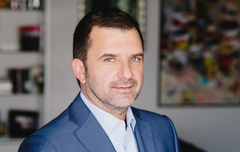
Montenegro has taken another step towards the European Union.
During the Intergovernmental Conference in Brussels, the country closed two more negotiating chapters and now has 23 closed chapters in total.
Brussels' plan is for negotiations to be completed by December 2026 and the accession agreement to be signed in June 2027.
According to Montenegrin media, the chapters closed this week are chapters 1 and 12, which specifically deal with the free movement of goods and food safety, veterinary policies and plant protection.
Prime Minister Milojko Spajić said that Montenegro's focus is the same – reforms in the area of the rule of law, the fight against organized crime and corruption, promoting good neighborly relations and raising living standards.
"Today we sent a message that Montenegro is ready for the final phase of European integration," he said.
At this rate, there are 10 chapters left to close by the end of the year.
The closure of 5 chapters in November 2026, includes energy, transport and taxes.
The closure of the most difficult chapters 23 and 24, related to the rule of law, justice and the fight against corruption, are expected to be completed in December 2026.
In mid-November, the commission is expected to submit the final draft negotiating positions to the EU Council.
The text of the Accession Agreement is expected to be finalized in spring 2027, while the signing of the agreement is expected in June 2027, after a vote in the European Parliament.
After signing, the agreement must be ratified by all 27 member states and by Montenegro itself.
During the transition period, Podgorica will participate as an observer in EU institutions.
Brussels warns that the deadlines are indicative: "If Montenegro takes steps back in reforms, membership could be postponed and safeguard measures could be imposed."
"We are committed to Montenegro closing all chapters by the end of the year. But reforms must continue, especially on the rule of law, the independence of institutions and the fight against organized crime," said Irish Minister for European Affairs Thomas Byrne, who will take over the presidency of the Council of the EU, from Brussels.