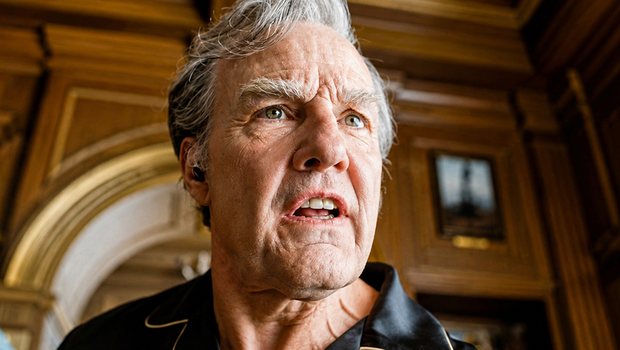
Ratko Mladic, otherwise known as the "Butcher of the Balkans", has passed away. He was born on March 12, 1942 in Kalinovik and began his military career in 1965 as part of the Yugoslav People's Army (JNA) and the League of Communists of Yugoslavia.
With the dissolution of Yugoslavia, he was placed in charge of the Army of Republika Srpska (1992–1995) as its commander-in-chief. According to REL, in this position, Mladić led a military campaign with the clear aim of ethnic cleansing of Bosnia and the extermination of the non-Serb population.
The architect of the genocide against Bosnian Muslims
During the war, Mladic orchestrated the worst massacre in Europe since World War II. In July 1995, his forces captured Srebrenica, a UN-protected enclave where they separated the women from the men and systematically executed more than 8,000 Bosnian Muslim men and boys. In addition to the Srebrenica massacre, he led the 43-month siege of Sarajevo and organized the internment of tens of thousands of Bosniaks in torture and forced labor camps.
Escape, confrontation with justice and punishment
After the war ended, Mladic evaded capture for 16 years by hiding in Serbia with the help of the army and nationalist networks. He was arrested in May 2011 and transferred to the Hague Tribunal. In 2017, the court found him guilty of genocide against the Muslims of Srebrenica, crimes against humanity and war crimes, sentencing him to life imprisonment, a decision that was confirmed and updated on appeal in 2021.
Death in prison and the legacy of crime
Mladic died today, August 27, 2026, at the age of 84, in the UN prison hospital in The Hague, after deteriorating health from strokes. For the Bosnian population and international justice, he remains a symbol of genocide and ethnic cleansing, while his death closes the chapter of the main executor of the worst crimes of the Bosnian War.