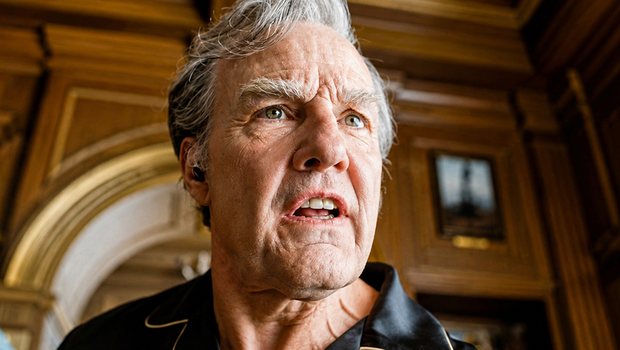
Besfort Lamallari's departure from the Ministry of Interior, just a few months after his appointment, is related to Edi Rama's need to restore direct control over the police, a sector with which criminal interests intersect, but which sometimes also dictates the balance of power, especially in regions where crime was used to influence the outcome of elections.
The Prime Minister announced Lamallari's departure on Friday, without giving a concrete reason. The Ministry of Interior was entrusted to Ervin Demos, until now Minister of Local Government, while the two ministries will be merged into a single structure.
Rama sent the minister off with praise for his work and integrity, but with the explanation that “the needs of the team are above all individuals.” Lamallari, on the other hand, left without a hint of dissatisfaction. He called the task a privilege and thanked the prime minister for the trust: “I have tried never to disappoint you,” he told Rama.
But beyond the farewell ceremony, the question remains why Rama replaced the Interior Minister just a few months after appointing him to that post. The reasons for Lamallari's departure can be traced to three parallel developments: his lack of authority over the police, the operation that led to the arrest of Ergys Agas, and the gradual fading of Belinda Balluku's political weight.
1. Lack of influence on the police

About a year ago, when Lamallari was catapulted into the government as Minister of Justice, Rama opened the doors of the cabinet to him, praising him. "An exemplary state functionary in every direction, a dedicated professional, a wise leader whenever he is asked to go and solve a problem that others cannot solve," the prime minister called him at the SP assembly meeting.
But as these words were heard in the background, the cameras captured a funny scene. Lamallari appeared shocked by the appointment and loosened his collar in embarrassment, swallowing. Apparently, he had no idea that he would be replacing Ulsi Manjë, who left the government as soon as his fellow countryman from Dibra, Altin Dumani, left the leadership of SPAK.

Katapultimi i mëvonshëm në Ministrinë e Brendshme ishte një barrë edhe më e rëndë për shpatullat e Lamallarit. Kur largoi Albana Koçiun nga ky post, Rama kërkonte një ministër më aktiv, me më shumë autoritet dhe kontroll mbi policinë. Lamallari nuk arriti ta krijonte rolin e fortë që i duhej Ramës, as nuk e kishte peshën e nevojshme tek strukturat e policisë dhe, sidomos, komunikimin e drejtpërdrejtë me drejtuesit në terren.
Pakënaqësia e Ramës doli hapur në mbledhjen e fundit në Pogradec, ku kryeministri e kritikoi duke i thënë: “Ti nuk e ke idenë çfarë ndodh në terren”, duke pasur parasysh pikërisht mungesën e komunikimit me drejtorët e policive. Për një ministër të Brendshëm, ky nuk ishte një qortim i vogël.
2. Arrestimi i Ergys Agasit

Një tjetër moment që duket se shenjoi fatin e Besfort Lamallarit në qeveri ishte operacioni për arrestimin e Ergys Agasit.
Mik i afërt me Ramën dhe pjesë e enturazhit të tij të ngushtë, Agasi u telendis publikisht pas arrestimit. Policët që i vunë prangat fillimisht e fotografuan të tromaksur në furgonin e policisë. Pamjet bënë xhiron e rrjetit brenda pak sekondash. Në vend të “Ergysit të tmerrshëm” që hante e pinte me bandat, u pa një hallexhi me shapka dhe pantallona të shkurtra, që nuk dinte ku po e çonin. Fotot e policëve vazhduan edhe më tej, duke e fotografuar Agasin teksa jepte shpjegimet e fundit në zyrat e policisë, përpara se ta shoqëronin drejt burgut.
A i duhej Ramës degjenerimi i një njeriu që dinte aq shumë për të? Provokimet ndaj Ergys Agasit mund ta degradonin situatën drejt një loje të rrezikshme. Aq më tepër që bëhej fjalë për një “koordinatorin e krimit”, i akuzuar se shërbente si nyje lidhëse mes Ramës dhe bandave në disa prej qyteteve kryesore të vendit.

Me ardhjen e Skënder Hitës në drejtimin e Policisë së Shtetit duket se brenda policisë ishte krijuar një rrymë e re. Larg ndikimit të Ergys Agasit, por edhe larg ndikimit të Ramës. Arrestimi dhe, sidomos, ekspozimi publik i Agasit mund të kenë qenë sinjali se një pjesë e këtij mekanizmi i kishte dalë Ramës nga kontrolli.
Nëse kjo është ajo që ka ndodhur, nuk mjaftonte më Lamallari korrekt dhe i bindur. Duhej dikush tjetër, që Rama t’i mësojë lajmet përpara se fotografitë që qarkullojnë në rrjet.
3. Sinjali për klanin "Balluku"

Besfort Lamallari hyri në qeveri si një njeri i besuar i Belinda Ballukut, bashkë me Ermal Nufin dhe Enea Karakaçin. Edhe emërimi në Ministrinë e Brendshme erdhi në një moment politik domethënës: Rama po firmoste largimin e Ballukut nga qeveria pas vendimit të Gjykatës kundër Krimit të Organizuar dhe Korrupsionit.
Për t’i treguar Ballukut se marrëdhënia mes tyre ishte njësoj si më parë, Rama i la asaj një pjesë të territorit politik që ajo kishte krijuar ndër vite. Në këtë logjikë mund të lexohej edhe emërimi i Skënder Hitës në krye të Policisë së Shtetit.
But since the beginning of the year, the situation for the former deputy prime minister has deteriorated significantly. SPAK prosecutors have discovered several of her villas in the south of the country, which are suspected of being obtained as compensation for road and Albcontrol tenders. Balluk has been charged with corruption, concealment of assets and money laundering.

Lamallari's departure seems like a step backwards for Rama. A move to narrow the political territory of the former deputy prime minister, but acting, as usual in such cases, with the caution required to dismantle an old balance without creating a new conflict.
This hypothesis is also fueled by the choice of the successor. At the head of the Ministry of Interior, Rama appointed Ervin Demon, a political figure from Berat, from the same region where the new head of SPAK, Klodian Braho, comes from. It could be a coincidence. But when it comes to the Ministry of Interior, the police and SPAK, coincidences should be noted./Lapsi.al