September has begun with a strange development for the flamingo protest: some of its most active voices are disappearing one by one from social networks. The pressure that was seen on the boulevard by police forces a few days ago has now moved to social networks, where the "flamingos" had until now a clear advantage over the colorless activities of the authorities.
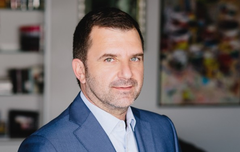
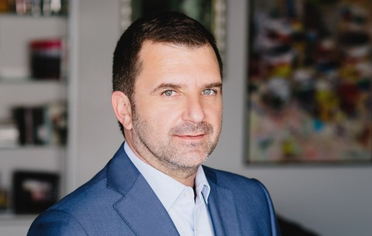
The most egregious case is that of Agron Shehaj, the chairman of Mundësia and a member of Parliament who lost his account with around 150,000 followers on Instagram, precisely at a time when much of his online activity was focused on protests. Shehaj had repeatedly published images and materials from rallies, in an attempt to align his political message with the demands of the protesters. Just a few days earlier, he had also reflected on his social media accounts the violent intervention of the police against Dritan Goxhaj.
The closure of Shehaj's profile is unusual and could not have come from Meta's central offices for a very specific reason. Shehaj's account was verified, with identification documents, was a public profile of a deputy, connected to Facebook and protected by the platform's security mechanisms. He has already filed a complaint with Meta's central offices, but there is still no explanation as to why and on what basis his account was closed.

If it were just Shehaj, the issue would not have reached this scale. It is likely that there was a planned attack on social media against some of the voices who amplified the protest message on social media for months.
During the same day, protest participants reported that the accounts of Jurgen Shpendi, Erikleo Cepa, Genti Progni, and Ari Shady, all active in publishing materials from the protest, were also blocked.
"Four fewer voices on Instagram, but thousands more reasons to speak up," reads a message circulating among protesters.
"You can close the account, but you can't silence a generation that has decided not to be silent. We are not afraid, we are not retreating, and we are not stopping. The more you try to silence us, the louder our voices will be heard."


Përveç tyre janë edhe disa faqe të tjera në rrjetet sociale që tani janë zhdukur. Fillimisht këto kishin nisur aktivitetin si faqe memesh, por më pas, duke parë që interesi i qyetarëve ishte i lartë, disa prej tyre sollën momente nga protesta që nuk gjendeshin në asnjë prej mediat kryesore në vend. Të gjitha këto, mëngjesin e kësaj të enjteje janë zhdukur.
Se çfarë ka ndodhur konkretisht me këto llogari duhet ende të sqarohet nga Meta. Nuk ka, të paktën deri tani, një provë konkrete që i lidh mbylljet me qeverinë, por kur brenda një kohe kaq të shkurtër goditen disa profile që kanë një emërues të përbashkët, protestën e flamingove, atëherë dyshimet për një valë raportimesh të koordinuara bëhet legjitime.
Beteja për rrjetet sociale nuk është një temë e re në diskursin e Edi Ramës. Prej javësh kryeministri flet i shqetësuar për “algoritmin”, pikërisht në një periudhë kur protesta e flamingove ka marrë në Instagram, TikTok dhe platformat e tjera një ekspozim që mediat tradicionale nuk ia kanë dhënë në të njëjtën masë.
Gjatë muajit qershor, kur protesta ishte në kulmin e saj, Rama shprehej se realiteti tashmë përcaktohej nga algorimi dhe se në thelb të tij ishte gënjeshtra.
“Nuk jemi më në një marrëdhënie sociale, politike, demokratike, por jemi në një laborator ku në kohë reale algoritmi, virusi i realitetit, simbolika dhe gënjeshtra prodhojnë një realitet paralel, që është bërë e vërteta“, shprehej ai.
Edhe ditët e fundit Rama i është kthyer algoritmit si pjesë të problemit. Kryeministri publikoi një video të Yuval Noah Hararit me komentin “shkurt dhe qartë për algoritmin”, ku shpjegohej sesi platformat favorizojnë përmbajtjen që prodhon reagim, veçanërisht frikë, zemërim dhe urrejtje. Edhe në prononcime të tjera Rama ka këmbëngulur se algoritmi nuk shpërblen domosdoshmërisht të vërtetën apo nuancën, por atë që prodhon më shumë angazhim.

Në fakt, problemi politik për Ramën është më i thjeshtë se ekuacionet komplekse mbi algoritmet e rrjeteve sociale. Protesta arriti të krijojë në Instagram, në Tik Tok dhe në Facebook një kanal komunikimi që nuk varet nga televizioni, pronari i medias apo hierarkia e një redaksie.
Videot e protestës morën qindra mijëra shikime dhe reagime dhe, për një periudhë të caktuar përmbysën raportin e forcave në një terren ku makineria e komunikimit të qeverisë kishte qenë prej vitesh jashtëzakonisht dominuese.
Ky realitet i ri, ku mediat tradicionale dolën jashtë loje, ndërsa ekranet e celularëve u dominuan nga djem dhe vajza të rinj që kërkonin një përmbysje të madhe politike, e bën çështjen e llogarive të mbyllura në rrjetet sociale shumë më serioze se një konflikt mes disa përdoruesve dhe Instagramit.

Control over the media in Albania is already a fact. The methods are perfected year after year: the relationship with the owners, advertising, concessions, permits, economic interests and access to power.
Social media has bluffed this information control formula. A phone and an account with a few thousand followers can expose police violence much further than a censored television report. In between, there is no television owner to call or news director to convince. Communication is direct between the citizen and the platform.
Therefore, if behind the recent closures lies a decision to eliminate voices supporting the protest, then we have moved from the familiar model of media capture to a much more direct form of censorship. Not as sophisticated, but more banal: when you can't control what your opponent says, you try to forcefully silence them./Lapsi.al