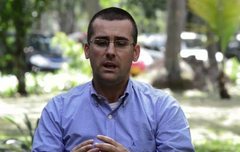
How much scope does the state have to punish violations during protests, and where do the restrictions imposed by the Constitution begin?
The package of measures against protest violence, presented by Prime Minister Edi Rama, has been approved by the government and part of it has been published in the Official Gazette.
For lawyer Ledio Braho, the implementation of these measures requires clear legal criteria and guarantees that institutional decisions are not taken arbitrarily.
Electronic registry - What happens to people who have not been convicted?
One of the approved measures is the creation of a special electronic registry, which will be administered by the State Police and will include persons referred to the Prosecutor's Office or under investigation for criminal offenses against state authority, public order and security, when concrete violent actions against life, health or public and private property are documented during public gatherings and demonstrations.
The decision also provides for the notification of foreign authorities of the countries where the person travels, as well as domestic and foreign accommodation structures, of the risk he poses to public security and order.
Braho explains to Faktoje.al that the constitutionality of such a registry depends on the purpose, the type of data that will be processed, the categories of persons that will be included, the retention period, and the consequences that the registration will bring.
He says that according to Article 17 of the Constitution, restrictions on rights must be provided for by law and be proportional to the goal they aim to achieve.
Meanwhile, Article 30 guarantees the presumption of innocence until proven guilty by a final court decision, while Article 35 protects personal data.
"If the register includes persons suspected or under investigation, inclusion in the register cannot be presented as evidence of guilt and therefore cannot bring punitive consequences such as automatic restriction of movement, access or rights," argues Braho.
According to him, even a registry that is not public can violate citizens' rights if it is used for profiling or for imposing unfavorable measures without individual review.
For this reason, he adds that the creation of the registry must be accompanied by a specific legal basis that defines the function, data categories, conditions of use and guarantees for the persons involved.
Minors' damages - Can parents automatically pay?
Një tjetër pikë e diskutueshme e paketës së Ramës është kalimi te prindërit i përgjegjësisë financiare për dëmet e shkaktuara nga fëmijët e mitur.
Por, sipas Brahos, këtu duhet bërë një dallim mes shpërblimit civil për dëmin konkret dhe një gjobe administrative ose penale.
Ai shpjegon se Kodi Civil parashikon rregulla të ndryshme në varësi të moshës së të miturit:
-Për fëmijët nën 14 vjeç, neni 613 parashikon përgjegjësinë e personave që kanë detyrimin e mbikëqyrjes, me përjashtimet e përcaktuara në ligj.
-Për të miturit nga 14 deri në 18 vjeç, neni 614 parashikon fillimisht përgjegjësinë e vetë të miturit, ndërsa përgjegjësia e prindërve varet nga kushtet ligjore, përfshirë mundësinë që i mituri të përmbushë detyrimin me të ardhurat nga puna ose pasurinë e vet.
Braho thekson se, përpara se të kërkohet dëmshpërblimi nga prindërit, duhet të provohen veprimi i paligjshëm, dëmi dhe lidhja shkakësore.
Gjithashtu, sipas tij duhet të shqyrtohen kushtet konkrete të përgjegjësisë së prindit dhe t’i jepet atij mundësia të paraqesë mbrojtjen e parashikuar nga ligji.
Sipas juristit, vendosja automatike e përgjegjësisë financiare mbi prindërit, pa shqyrtuar rrethanat konkrete dhe pa u dhënë mundësinë të paraqesin mbrojtjen e tyre, mund të ngrejë pikëpyetje për përputhshmërinë e masës me Konventën e OKB-së për të Drejtat e Fëmijës.
“Kështu, për të kërkuar dëmshpërblimin nga prindi duhen provuar veprimi i paligjshëm, dëmi dhe lidhja shkakësore, më tej për përgjegjësinë e prindit duhen plotësuar edhe kushtet ligjore për moshën dhe aftësitë pasurore të të miturit, po ashtu prindit duhet t’i jepet mundësia të paraqesë mbrojtjen e parashikuar sipas Kodit Civil, ndaj përgjegjësia nuk mund të vendoset automatikisht vetëm për shkak të lidhjes prind-fëmijë.
Konventa për të Drejtat e Fëmijës kërkon që interesi më i lartë i fëmijës të jetë konsideratë parësore, të drejtën e fëmijës për t’u dëgjuar dhe respektimin e prezumimit të pafajësisë në proceset penale.
Këto parime nuk përjashtojnë përgjegjësinë civile të prindërve kur plotësohen kushtet e ligjit, por kërkojnë shqyrtim individual dhe një procedurë ku palët mund të dëgjohen”, thotë ai për Faktoje.
Postimet në rrjetet sociale- A mund të detyrojë policia fshirjen e tyre?
Paketën e masave Rama e ka lidhur edhe me thirrjet për dhunë në rrjetet sociale.
Sipas Ramës, policia do t’u dërgojë njoftim mbajtësve të llogarive për fshirjen e postimeve që nxisin dhunë gjatë tubimeve, ndërsa moszbatimi mund të pasohet nga ndjekja penale.
Braho argumenton se policia ka kompetenca për të parandaluar dhunën dhe për të referuar pranë prokurorisë faktet që mund të përbëjnë vepër penale. Megjithatë, ai thekson se një njoftim policor nuk është vetvetiu vendim gjykate dhe nuk provon automatikisht se një postim është i paligjshëm.
Sipas tij, nëse mosfshirja e një postimi do të shërbejë si bazë për ndjekje penale, ligji duhet të përcaktojë qartë se çfarë urdhri mund të japë policia, mbi çfarë provash, për sa kohë dhe si mund të kundërshtohet ai.
"Without these guarantees, the measure risks turning into a preliminary restriction on freedom of expression," notes Braho.
For him, it is essential to distinguish between direct incitement to violence and the expression of a political opinion, even when it is harsh or critical of the government.
“The Constitution guarantees freedom of expression and prohibits prior censorship of the means of communication.
To distinguish direct incitement to violence from political opinion, the assessment must be concrete: what was said, to whom it was addressed, in what context, for what purpose, and whether the words created a real and imminent risk of violence.
Criticism of the government, calls for peaceful protest, satire, journalism, and reporting should not be treated as incitement just because they are harsh or objectionable.
"The European Court of Human Rights requires an assessment of the context and distinguishes expression that incites violence from expression that does not. However, it cannot be the State Police that has the final say regarding freedom of expression and make restrictions of this nature like those proposed," he continues.
Fines up to 500 thousand lekë - What criteria should the law determine?
Financial responsibility of persons involved in gatherings is another element of the package.
Rama has proposed fines of up to 500,000 lek for certain behaviors during rallies, including remaining in a violent gathering after police warnings and disobeying orders to disperse.
But, according to Braho, setting a maximum fine limit is not enough.
He says that the law should provide clear criteria for determining the concrete measure, so that decision-making does not remain at the unlimited discretion of the authority.
"Among the elements that must be assessed depending on the margin are the importance and dangerousness of the violation, the factual consequences, the role and degree of the person's guilt, repetition, mitigating or aggravating circumstances, the benefit derived and the economic opportunity of the person fined," Braho highlights.
Also, according to him, the procedure must guarantee written justification of the decision, hearing the person, proportionality of the measure, and the right to effective appeal.
In the case of protests, the lawyer underlines that presence in the crowd cannot alone be sufficient to impose a fine.
"Individual behavior and its connection to the violation must be proven, otherwise peaceful protesters, passersby, or people who happen to be in the area risk being punished indiscriminately," he says. /Taken from Faktoje.al