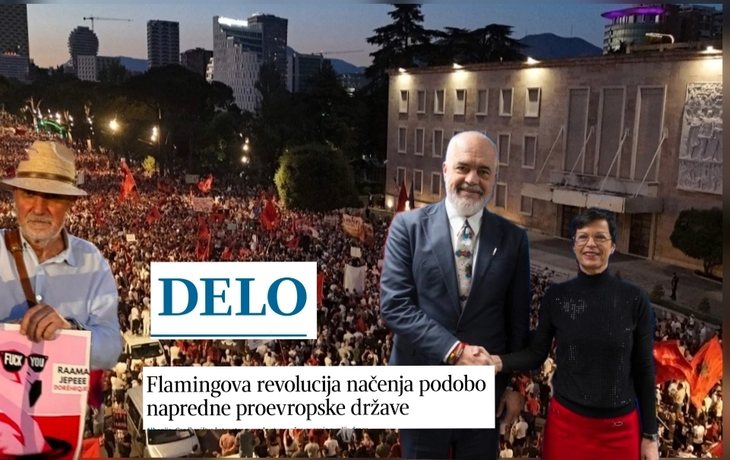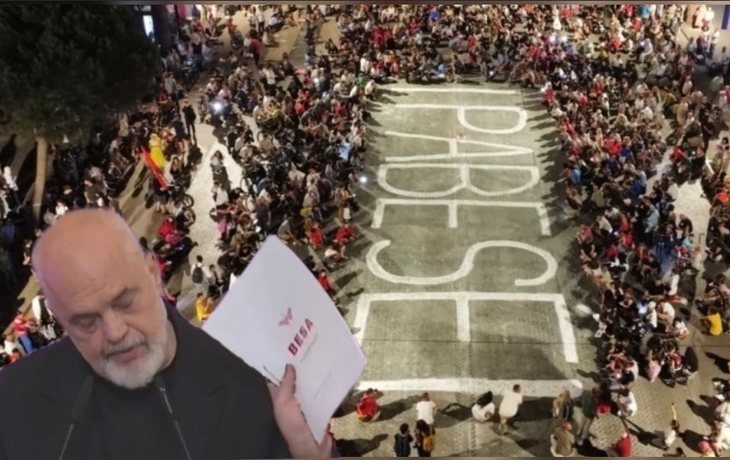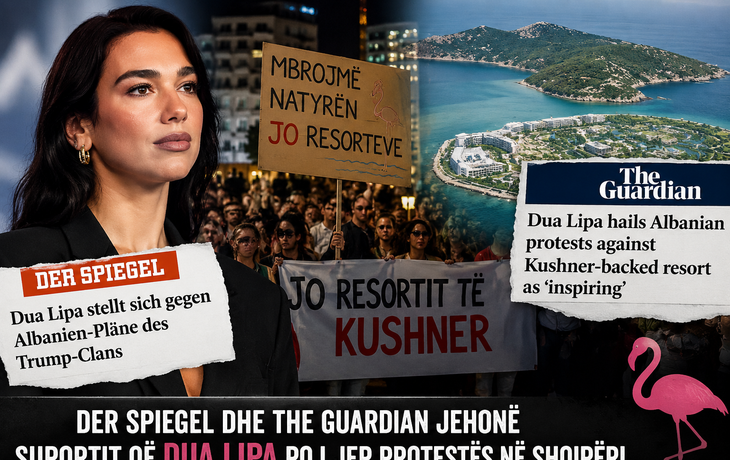


Since the protests against the Zvërnec project began, Edi Rama has insisted that behind the mobilization were not only citizens dissatisfied with corruption or poverty, but also attempts at influence from regions or citizens of other countries, Greece, Serbia, Kosovo, North Macedonia or Iran. Accusations of ties to Iran by Rama have been more vocal and in some cases have been accompanied by border detentions and the declaration of non grata of certain persons.
Also this Tuesday, it was announced that the Ministry of Interior has expanded the list of persons declared "non grata", banning the entry into Albania of two Albanians from North Macedonia, Valon Bela and Imam Bekir Halimi. A deportation order has also been issued against Bela.

According to the Ministry of Interior, the decision was made based on the Law on Foreigners, namely on the basis of an article that states that the minister declares a foreign citizen undesirable when he acts or propagandizes against the sovereignty of the Republic of Albania, national security, constitutional order and public order and security, and when he is a member of terrorist organizations or supports and carries out anarchist actions against the rule of law.
Apart from off-the-record information in the media, the Ministry of Interior has not published any evidence or documents on the motivation for the decision in question.
Valon Bela's first reaction

A few hours after the Interior Ministry's decision, Valon Bela reacted on social media, saying that this decision was made by the government of "Edi Ramovic, Vucic's Siamese brother", as he has also been declared non grata in Serbia. He says that he has participated in three wars and that Albanians have never been separated from the borders that were set for them.
"No government is above the nation and no political mandate is eternal. Governments come and go, while history remains. Those who make exceptional decisions today should be aware that they will be judged not only by their contemporaries, but also by generations who will assess whether they have protected the national interest or the interests of the day. Especially when a government severely insults Kosovo, welcomes Vučić with the red carpet and brutally mistreats and beats its people who think differently," writes Bela.
Pakënaqësitë për politikat e Ramës, veçantërisht në marrëdhënien me presidentin e Serbisë, Aleksandër Vuçiç, Valon Bela i kishte shfaqur edhe më parë, kur e konsideronte Ramën një “narko lider”.
“Ishalla jam një prej atyre 60 personave që Ramoviç dhe metastazat e tij qeverisëse u kanë ndaluar hyrjen në shtetin shqiptar. Me ta ndalu hyrjen narko lideri i një narko shteti është moment kënaqësie” shkruante ai një muaj më parë, kur qeveria e Ramës vendosi të shpallë non grata disa qytetarë të Kosovës dhe të Maqedonisë së Veriut që kishin marrë pjesë në protesta në Tiranë.
Në të njëjtin postim, Bela krahasonte ndalimin e mundshëm në Shqipëri me ndalimin e hyrjes në Serbi, duke shkruar: “Kam ndalesë edhe në Serbi si çdo bashkëluftëtar i UÇK-së. Kjo vetëm po dëshmon se Rama & Vuçiq po veprojnë në sinkron të plotë.”

Ai e mbyllte postimin me citimin: “Historia shqiptare është e mbushur me plot shkije të veshun shqiptarçe” – Mullah Idriz Gjilani.
Valon Bela njihet në Maqedoninë e Veriut si analist politik dhe ish-funksionar në administratë. Ai ka qenë shef kabineti në Ministrinë e Shëndetësisë dhe më pas drejtor ekonomik në Klinikën Universitare të Gjinekologjisë në Shkup.
Në vitin 2018 ai mbeti i plagosur në një atentat me armë zjarri në lagjen Çair të Shkupit, ndërsa autoritetet maqedonase arrestuan disa persona të dyshuar për sulmin.
Në vitet e fundit Bela është shfaqur rregullisht në media si komentator politik për zhvillimet në Maqedoninë e Veriut dhe rajon.
Kush është imami Bekir Halimi

Bekir Halimi është imam nga Shkupi dhe prej më shumë se një dekade është një nga figurat më të njohura të debatit fetar në Maqedoninë e Veriut.
Por në vitin 2016 ai u përjashtua nga Bashkësia Fetare Islame e Maqedonisë së Veriut (BFI), pas konflikteve me drejtuesit e institucionit.
Emri i Bekir Halimit është përmendur prej më shumë se një dekade në raportime mediatike dhe studime që trajtojnë radikalizimin fetar në Ballkan. Që në vitin 2010, media rajonale raportonte se policia e Maqedonisë së Veriut kishte zhvilluar kontrolle në ambientet e shoqatës bamirëse “Bamsiera”, e lidhur me aktivitetin e tij fetar. Sipas raportimeve të kohës, autoritetet po hetonin dyshime se një pjesë e fondeve bamirëse mund të kanalizoheshin drejt rrjeteve islamiste. Megjithatë, nga të dhënat publike nuk rezulton që hetimet të kenë çuar në arrestimin e Halimit apo në ngritjen e akuzave penale ndaj tij.

Halimi has also been involved in strong public debates on religious and identity issues in North Macedonia. In 2016, he reacted against the placement of Orthodox crosses in the Buteli municipality of Skopje, stating that they were not religious, but political in nature. In his statements, he argued that the use of religious symbols in public spaces was serving political conflict and not interfaith coexistence, a stance that was widely reflected in the Macedonian and Albanian media.
Its conflict with official religious institutions has also been documented in international reports. The US State Department's annual reports on religious freedom have for years described divisions within the Islamic Religious Community of North Macedonia, including mention of imams who operated outside the official structure of the IRC.
The case of Iqballe Huduti, non grata for protesting in Albania

In June, when anti-government protests were at their peak, the Interior Ministry banned Igballe Berisha Huduti from entering Albania for 15 years, arguing that her activities posed a threat to national security and public order. The decision came after Huduti was filmed protesting and after Edi Rama himself publicly attacked her, calling her “the sister of Tehran’s notorious general, Qassem Soleimani,” an accusation she denied.
In her reaction after being declared "non grata", Huduti denied any political motive or personal interest, linking her participation in the protests solely to her civic beliefs.
"My participation in the protest has no profit motives, but patriotic and civic motives. I am Albanian and I feel responsible for the fate of my nation."
Iqballe Huduti concluded her message about the justification for declaring him non grata with the phrase: "Neither East nor West - Peace with Justice for Albania."

Huduti denied the government's accusations of links to Iranian circles, while Albanian authorities did not publish the evidence on which the decision was based.
Coincidentally or not, all three names declared "non grata" so far are related, in different ways, to the theory the government has built about the anti-government protests and claims of foreign influence on them. In this way, the list of "non grata" is running parallel to the protests, which have entered their third month without fading, despite the government's expectations that civic mobilization would fade away as the summer passes./Lapsi.al