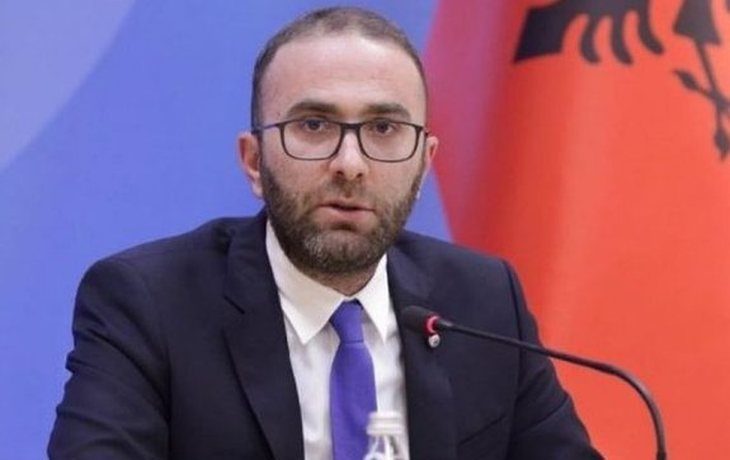
Prime Minister Edi Rama started Wednesday with a live communication with followers on Facebook, announcing the increase of dozens of points in the "PISA 2025" ranking of Albanian students, a ranking that he called an 'extraordinary testament' to the work done by the Ministry of Education.
At first glance, the 2025 testing data shows a galloping improvement compared to the level of the last testing conducted in 2022, ranking Albania first in the region.
But Albania's result has a problem; it is classified in the 'limited reporting' category by the OECD because the data collection sample was not made in accordance with this organization's standards.
Unlike other years, Albania has submitted results data for only 76% of schools, well below the 85 percent standard required by the OECD, while small schools with fewer than 21 students from the 15-year-old population have been excluded from testing.
As a result, the data for Albania are accompanied in the report by a note, where the lack of sample coverage is considered 'a structural gap', which cannot be corrected with statistical data.
“The selected schools that did not participate in the assessment are likely to be disproportionately concentrated in rural and socioeconomically disadvantaged areas, serving populations with historically lower academic performance,” the note reads.
The Ministry of Education and the Educational Services Center that organizes the testing did not provide an answer until the publication of this article as to why the decision to exclude these schools was made and whether this exclusion had influenced the increase in the final results.
Oliver Clavet, a statistics spokesman at the OECD, told BIRN that these methodological changes are the responsibility of the participating country and were not made with the approval of the OECD. According to him, the note in the report served as information that these data “should be treated with the necessary care.”
Civil society organizations and education experts in Albania challenged the data reported by the government as unrepresentative and the selection of school samples as an attempt to 'manipulate' their findings.
'Civic Resistance' in a public reaction asked the ministry to provide full transparency on the sampling process and publish all documentation explaining why some Albanian schools were left out of the testing.
Si ndikoi kampioni tek rezultatet?!
PISA është sondazhi më i madh ndërkombëtar krahasues në fushën e arsimit në botë, i cili vlerëson shkallën e përvetësimit të njohurive në matematikë, lexim dhe shkenca të nxënësve 15-vjeçarë. Në vitin 2022, Shqipëria shënoi rezultatin më të ulët historik, ndërsa tre vjet më vonë, vendi mori mesatarisht 435 pikë në shkencë, 408 pikë në lexim dhe 433 pikë në matematikë.
Mesataret janë rreth 50–65 pikë më të larta në tri fushat e vlerësimit, por kjo diferencë nuk mjafton, sipas ekspertëve të statistikave, për të provuar përparimin në të nxënë të fëmijëve shqiptarë.
Enkelejda Havari, pedagoge e Ekonomisë në “IESEG School of Management” në Paris dhe Erand Llanaj, studiues në Universitetin e Bielfeld në Gjermani, të dy përfaqësues të grupimit ‘Diaspora Akademike’, bënë një analizë të pavarur të të dhënave për t’i dhënë një përgjigje pyetjes se sa nga diferenca me vitin 2022 pasqyron përmirësimin e të nxënit dhe sa lidhet me ndryshimin e kampionimit.
Sipas tyre, kampioni i marrë në vitin 2025 ka dukshëm më shumë shkolla në zonat urbane.
“Pesha e shkollave rurale ra nga 51% në 18%, ndërsa ajo e shkollave në qytete ose zona më të mëdha u rrit nga 18.5% në 46.6%,” vlerësuan pedagogët, duke theksuar se shkollat e vogla priren të jenë më të pafavorizuara dhe të kenë më pak burime.
Ndryshimi i kampionit e kufizon krahasimin ndërmjet dy cikleve.
Gjithsesi, për të shqyrtuar ndjeshmërinë e rezultateve ndaj përbërjes së kampionit, Havari dhe Llanaj ripeshuan rezultatet e vitit 2025 sipas përbërjes rurale dhe urbane të kampionit të vitit 2022. Në këtë ushtrim, mesataret rezultuan rreth 13–14 pikë më të ulëta në matematikë, lexim dhe shkencë.
Autorët theksojnë se kjo nuk përbën një përllogaritje të rezultatit “real” të Shqipërisë dhe as një matje të ndikimit të shkollave të papërfshira, por është një ilustrim të mënyrës se si ndryshimi i përbërjes së kampionit mund të ndikojë në mesatare.
Analiza evidenton gjithashtu një rritje të përpjekjes së vetëraportuar nga nxënësit gjatë testit: nga 8,35 në vitin 2022 në 8,90 në vitin 2025, në një shkallë nga 0 në 10. Sipas autorëve, ky tregues meriton shqyrtim të mëtejshëm, por nuk provon se ndryshimi i përpjekjes shkaktoi rritjen e pikëve.
Duke e cilësuar ushtrimin e tyre ‘të kufizuar’ por ‘të qartë’, Havari dhe Llanaj theksojnë se “rezultatet nuk provojnë mungesën e përparimit”, por këto rezultate nuk lejojnë, megjithatë, “që madhësia e tij të matet në mënyrë të besueshme përmes krahasimit të drejtpërdrejtë me vitin 2022”.
Një pasqyrë jo e saktë e realitetit
Përjashtimi i shkollave të vogla, veçanërisht atyre në zonat rurale, ka ndryshuar sipas ekspertëve komponentët që testi PISA synon të masë.
“Parimi i testimit PISA është gjithëpërfshirës,” thotë për BIRN Ndriçim Mehmeti, duke argumentuar se një test që synon të japë një panoramë të sistemit arsimor.
According to him, excluding these schools risks leaving out of the picture a portion of students who face more unfavorable educational and social conditions.
In this way, says Mehmeti, the result may reflect more the performance of the part of the system that remained within the sample than the state of education as a whole.
For expert Fatmir Sejdiu, this selection was made by the ministry intentionally, leading to results that do not show the whole picture of Albanian education.
"There is a very important methodological issue here, which Kumbaro intentionally hides, while the distributors act covertly: OECD says that in PISA 2025 schools with fewer than 21 PISA-eligible students were not contacted, creating a gap in the coverage of the Albanian sample," Sejdiu emphasizes.
For Sejdiu, this is precisely where the main problem lies. If certain parts of the system are left out, he points out, then a better result cannot automatically be interpreted as evidence that the entire education system has made the same progress.
Experts point out a paradox between the attempt of institutions to present a good but not comprehensive result and the real measurement of these results in the function of future educational policies.
Fiqiri Çifligu, an expert on the education system, says that despite the fact that the 'purpose' of excluding small schools to achieve the highest results cannot be proven, what should concern the public is what we 'gain' from producing such a result.
"If hypothetically such a selection were made to improve the outcome, the benefits would be mainly short-term and related to public communication," said Çifligu.
According to Çiflig, although the results may be presented as a 'success story' in the public debate, in the long term they have costs.
"An education system benefits more from an accurate picture of its condition than from a somewhat higher, but less representative result," concluded Çifligu. /Taken from Reporter.al