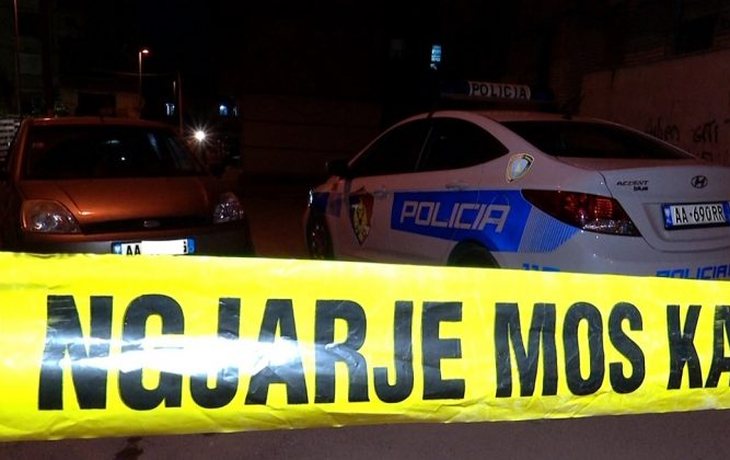
When the Albanian government finalized its gambling ban in 2019, the official narrative promised to root out a social scourge that had filled every street corner in Albania. At that time, there was no neighborhood without two or three betting shops, some of which were located near schools or places frequented by minors.
Seven years later, the Albanian government is preparing to re-legalize online sports betting, which despite legal prohibitions, has continued to operate informally.
Following the adoption of the law in Parliament in 2024, the Ministry of Finance told BIRN that all bylaws have now been approved and the regulatory framework is considered complete.
"The system is ready from a legal point of view, but the licensing competition has not yet officially opened," the ministry stated in a written response.
The new legislation promises to grant no more than 10 licenses to organizers offering online platforms, with the essential requirement that these operators raise a capital of at least 120 million lek as a guarantee for winners and have proven experience in Western countries.
Although the law promises a limited online betting market to enable strict state monitoring, the process has raised concerns about a lack of transparency and the risk of creating a monopoly market.
On the other hand, Albania is reopening its betting industry completely unprepared to manage the inevitable addiction crisis – one of the main reasons for the temporary outlawing of this industry.
The shift of gambling from physical points to the mobile screen turns it into a risk with unlimited access 24 hours a day in everyone's pocket.
"Legalization does not create addiction, but increases access to an activity that for a portion of the population is potentially very dangerous," says psychiatrist Neli Demi, who noted that the country had no specialized center and no national rehabilitation program, leaving the burden of addiction treatment entirely on the shoulders of families.
In response to BIRN's questions, the Ministry of Finance said that preventing gambling addiction and protecting gamblers and their families were among the main objectives of the law, but acknowledged that the law does not create any special scheme for these persons.
Questions about licenses
The gambling sector in Albania has oscillated between anarchic liberalization and radical prohibition. The complete closure in 2019 as a continuation of the so-called “Operation End of Folly” outlawed a market that operated with over 4,000 physical outlets.
Megjithatë, ndalimi ligjor nuk e fshiu bixhozin, por e shtyu atë drejt nëntokës së informalitetit dhe kontrollit nga rrjetet kriminale, aty ku kafenetë e lagjeve u kthyen në pika të fshehta grumbullimi.
Hyrja në fuqi e ligjit të ri shihet si një mundësi për të dalë nga paligjshmëria, edhe pse nuk mungojnë kritikat për mungesën e theksuar të transparencës qeveritare rreth procesit të garës.
Aktualisht, gara nuk është hapur ende. Ministria e Financave tha se “vendimin për hapjen e konkurrimit duhet ta marrë Komisioni i Licencave” dhe vetëm pasi ky komision të shprehet, AMLF publikon njoftimin zyrtar për aplikime.
Endri Meksi, një biznes i investuar në formalizimin e lojërave të fatit prej vitesh, vlerëson se tregu i zi i basteve llogaritet të ketë një qarkullim prej 2.5 miliardë eurosh në vit dhe formalizimi i tij do të çonte në buxhet rreth 20-22 milionë euro në vit.
Megjithatë, Meksi është i zhgënjyer nga mungesa e komunikimit institucional dhe nga fakti që askush ende nuk ka qartësi se çfarë do të ndodhë.
“Ministri i Financave është absente totalisht në këtë histori, nuk shprehet për asgjë,” tha Meksi, duke nënkuptuar pasigurinë për numrin e licensave që do të jepen fillimisht në treg.
“Komisioni i licencave është ai që vendos dhe mund të hapë maksimumi 10 licenca për garë, por mund të hapë garë për një licencë. Në këtë rast do të kemi një monopol. Mund të hapë për tre, le të themi, pothuajse një oligopol,” shtoi Meksi.
Përfaqësues të opozitës mendojnë gjithashtu se korniza formale ligjore po fsheh thelbin e një skeme thellësisht klienteliste.
Sipas deputetes së Partisë Demokratike, Jorida Tabaku, ligji u miratua përpara se shteti të ishte realisht i përgatitur për zbatimin e tij. Tabaku mendon se e gjithë skema është menduar për t’u shërbyer interesave të qeverisë dhe personave të lidhur me të.
“Problemi nuk është vetëm ekzistenca e basteve online. Problemi është se kush do t’i marrë licencat, si do të verifikohet pronësia përfituese e kompanive, burimi real i kapitalit, lidhjet ndërmjet aksionarëve dhe nëse procedura konkurruese do të jetë e hapur,” thekson Tabaku, duke shtuar se pa transparencë krijohet “terreni ku interesat klienteliste, kapitalet e dyshimta dhe vendimmarrja qeveritare mund të takohen.”
Për deputetet e opozitës, mekanizmi i kontrollit të këtij fenomeni që krijon probleme sociale “duhet të jetë nën mbikëqyrje të plotë parlamentare dhe publike që nga dita e parë”.
Kambana alarmi për varësinë
Edhe pse ligji i ri supozohej që të krijonte mekanizma kundër varësisë nga lojërat e fatit, bastexhinjtë duket se do ta kenë pikën e bastit gjithmonë me vete.
Ekspertët e shëndetit mendor e shohin këtë si një rrezik për rritje të varësisë së pakontrolluar, në një vend ku infrastruktura e trajtimit të këtyre rasteve është inekzistente.
Mjeku psikiatër dhe psikoterapist, Neli Demi paralajmëron se kalimi ekskluziv “online” luan një rol shumë më të rrezikshëm krahasuar me pikat fizike.
"From a clinical perspective, the shift from a physical betting point to a mobile phone changes the quality of exposure. If before you had to leave the house, go to a betting point and this created some psychological 'friction', now gambling can be in your pocket 24 hours a day," Demi points out.
This, he says, increases the frequency of play, increases impulsivity—since bets are placed within seconds—and reduces social control from the family, a serious risk factor especially for young people who are deeply connected to their devices.
Demi also points out that the country lacks an organized system for handling these cases.
"We have no specialist centres for gambling addiction, we have no national rehabilitation programmes and most patients are treated within general mental health services or in private practice. This means that help exists, but it is fragmented and not sufficient," he added.
Demi appreciates some legal steps such as the electronic registry for self-exclusion of players, but considers them to be minimal.
For its part, the Ministry insists that addiction will be combated through the legal mechanisms provided. Arguing on the protective measures, the institution cites that in addition to the national electronic registry of excluded players, the law guarantees “self-exclusion of the player” and allows “the possibility for family members to request the banning of a person’s access to games of chance”, relying on new programs dedicated to the protection of players.
The ministry also claims that the fact that “operators are obliged to publish information on the risks of addiction, the real chances of winning and the structures that offer counseling or treatment for people with gambling-related problems” will also play a role. But this seems to be on paper, as such counseling structures are almost non-existent in the country. /BIRN/