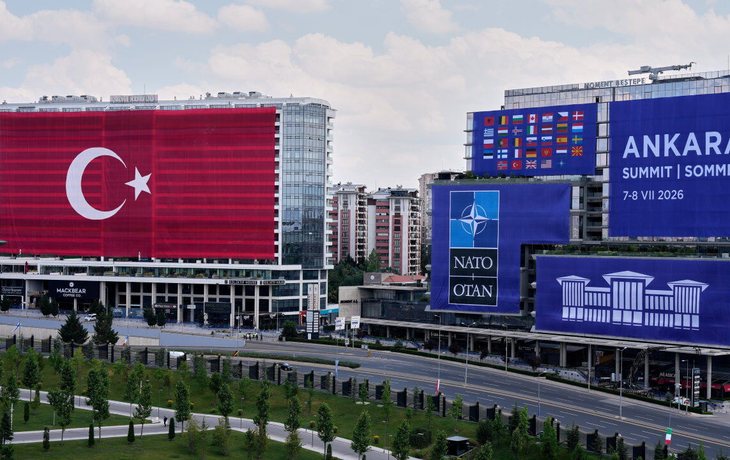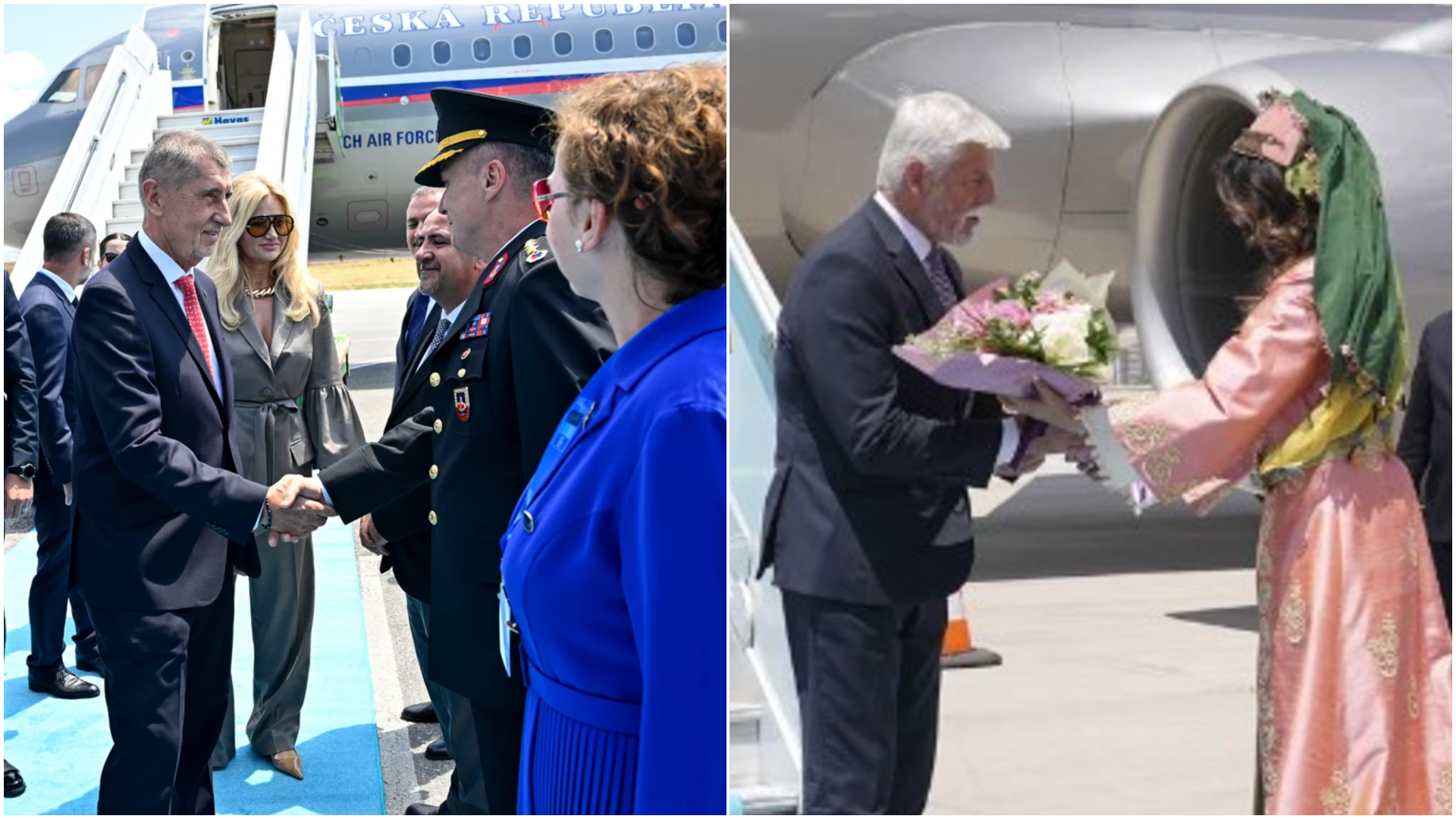
An internal political conflict in the Czech Republic took on international proportions. Prague sent two separate (and rival) delegations to the NATO summit in Ankara.
Czech Prime Minister Andrej Babis arrived first in the Turkish capital, along with his delegation, where he was received by Turkish Trade Minister Omer Bolat.
A little later, a second government plane landed from Prague, carrying the country's President Petr Pavel, who was received by Turkish Minister of Culture and Tourism Mehmet Nuri Ersoy.
The Czech government did not explain why the two men did not travel together, even though they departed from the same Prague airport less than an hour apart.
Pavel and Babis have been at odds for months over whether to attend the summit. Traditionally, Czech delegations to NATO include both the prime minister, as head of government, and the president of the republic, as head of state.
But last month, Prime Minister Babis banned Pavel from attending the summit, forcing the president to appeal to the Czech Constitutional Court. The court issued a temporary injunction, effectively forcing the prime minister to allow the president to attend.
Officially, Babis argued that more "space" was needed for negotiations and to explain why the Czech Republic is among only 3 NATO countries that are still not meeting current defense spending targets.
The two men have clashed repeatedly over various issues, including the government's decision to cut defense spending, but also Pavel's refusal to appoint a controversial, anti-establishment right-wing politician to Babis' government.
By trying to prevent the president from attending the summit, Babis appears to have targeted a particularly sensitive area for Pavel, as NATO has been his natural home for years. Pavel is a retired general and previously served as chairman of NATO's Military Committee, one of the Alliance's highest posts. /LAPSI.al