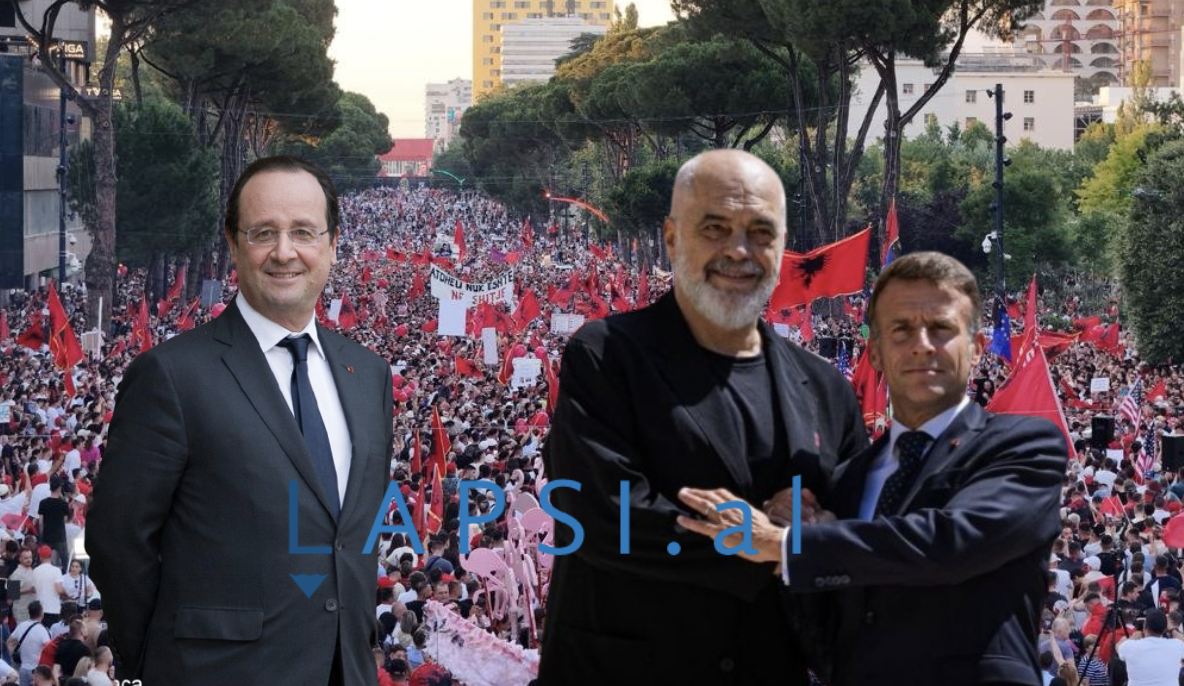
Two days ago, at the height of the biggest political crisis he has experienced during his 14 years in power, Edi Rama was welcomed in Paris by French President Emmanuel Macron. Photos of the meeting, with an awkward handshake, smiles and shoulder pats, were used by the Albanian prime minister as a clear message that international support for him remains strong despite the protests that have filled the streets of Tirana for weeks.
But just two days later, another big name in French politics, former president François Hollande, lands in Tirana.
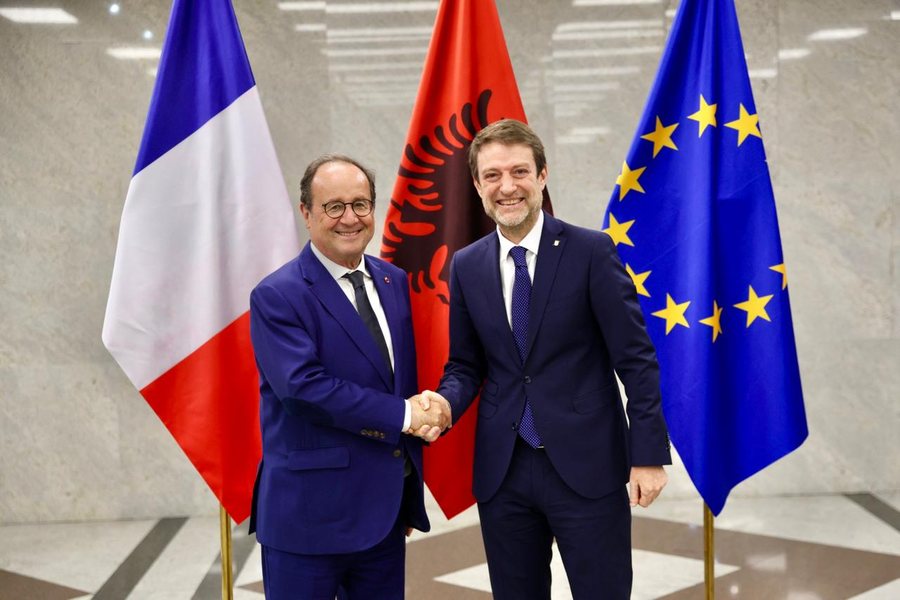
Officially, Hollande is in Albania at the invitation of the College of Europe in Tirana. However, the timing of the visit and the intensity with which the Albanian government is showing closeness to the most important figures in French politics raises at least one question mark.
Is this just a coincidence?
Or has France become Edi Rama's last and most important international ally at a time when he is facing the longest and largest protests of his government?
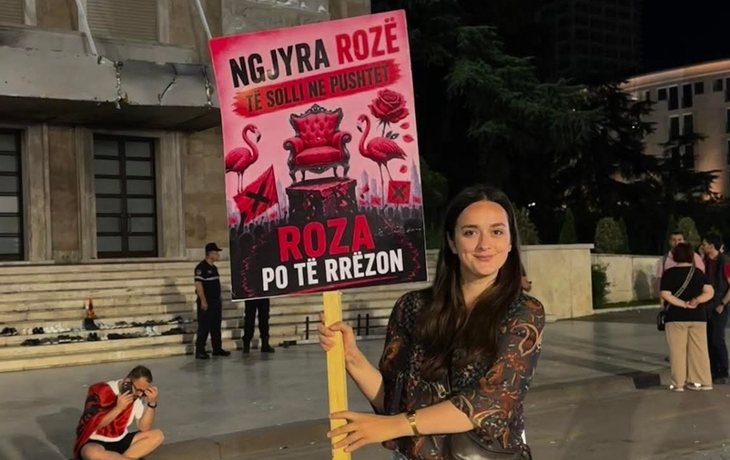
In recent weeks, the Albanian prime minister has been under pressure not only from daily protests in Tirana, but also from criticism from the European Parliament on the issue of protected areas and the super controversial Zvërnec project. His traditional international allies, prestigious media, left-wing NGOs, political leaders, if not slaps, have served Rama only silence. Therefore, in this climate, the scenes of the meeting with Macron more than a diplomatic meeting resembled a political signal.
Now, with the arrival of François Hollande in Tirana, attention is once again returning to Paris.
Macron is one of the two most powerful leaders of the European Union, while François Hollande remains a figure of considerable weight in French and European politics. The fact that within a few days two French Presidents, one in office and the other a former President, appear on Rama's political agenda cannot pass without raising at least some questions.
In politics (and especially in moments of crisis) symbolism is often as important as content. And the symbolism of these days seems clear. While in Tirana thousands of protesters demand his removal, Edi Rama is trying to show that there are still open doors in Paris.
The question that remains is whether this is simply routine diplomacy or a sign that France is today the most important international supporter left to the Albanian prime minister. After all, Rama came from France, in the now distant year of 1998, where from a character in the cafes of Sakre Kër (as he described himself in his book Kurban), he came and immediately took over the position of minister in Tirana. ©LAPSI.AL